All Categories
Featured
Understanding EPO Networks for Better Regional Healthcare...

Exploring the Benefits of Indexed Universal Life in Moorpark
Indexed Universal Life Benefits for Security
Table of Contents
If you're exploring your Medicare options, you're probably acquainted with the reality that the numerous parts of Medicare use different kinds of coverage. While Medicare Part A (healthcare facility insurance coverage) and Medicare Part B (medical insurance) work together to use coverage for a lot of health care expenses, Medicare Part D was created specifically to help cover prescription drug costs.
Being a wise health care consumer is essential to handling your healthcare expenses successfully, and understanding your Medicare plans and choices is an extremely important very first action. Medicare is a federally funded health insurance coverage program for Americans 65 years or older and others who fulfill particular eligibility requirements. There are a handful of Medicare plans, each providing different types of coverage.
Medicare Part D is a prescription drug protection program that Medicare-approved personal insurer offer. This part of Medicare assists enrollees spend for generic and brand-name prescription drugs. 1 Typically, you get approved for a Medicare Part D strategy if you have Initial Medicare (Medicare Part A + Part B) or if you have Medicare Part C (Medicare Benefit Plan) that includes drug coverage.
Insurance in Ontario CALife Insurance Strategies for Veterans
But, there might be distinctions in exactly what medicines are covered (understood as the strategy formulary), network pharmacies, and cost-sharing rules. To put it simply, your out-of-pocket costs, where you can use your strategy to get coverage, and just how much money you might owe will differ based upon your particular strategy.
Medicare Part D provides protection for a large range of prescription drugs. 2 While each strategy varies, covered drugs typically include the following: Medications to treat persistent medical issues, such as high cholesterol, high blood pressure or diabetes Specific vaccines, consisting of the Tdap, flu and shingles shot Some specialized medications may be covered after getting previous authorization It is very important to keep in mind that each strategy will have its way of covering drugs, referred to as the strategy formulary.
Lower tiers often cover generic medications at lower copays, whereas higher tiers normally include brand-name medications or specialized drugs and have higher copays. Before 2025, the Medicare "donut hole" assisted safeguard recipients from inflated out-of-pocket drug costs. Since Jan. 1, 2025, due to the Inflation Decrease Act, prescription drug protection cost-sharing is simplified.
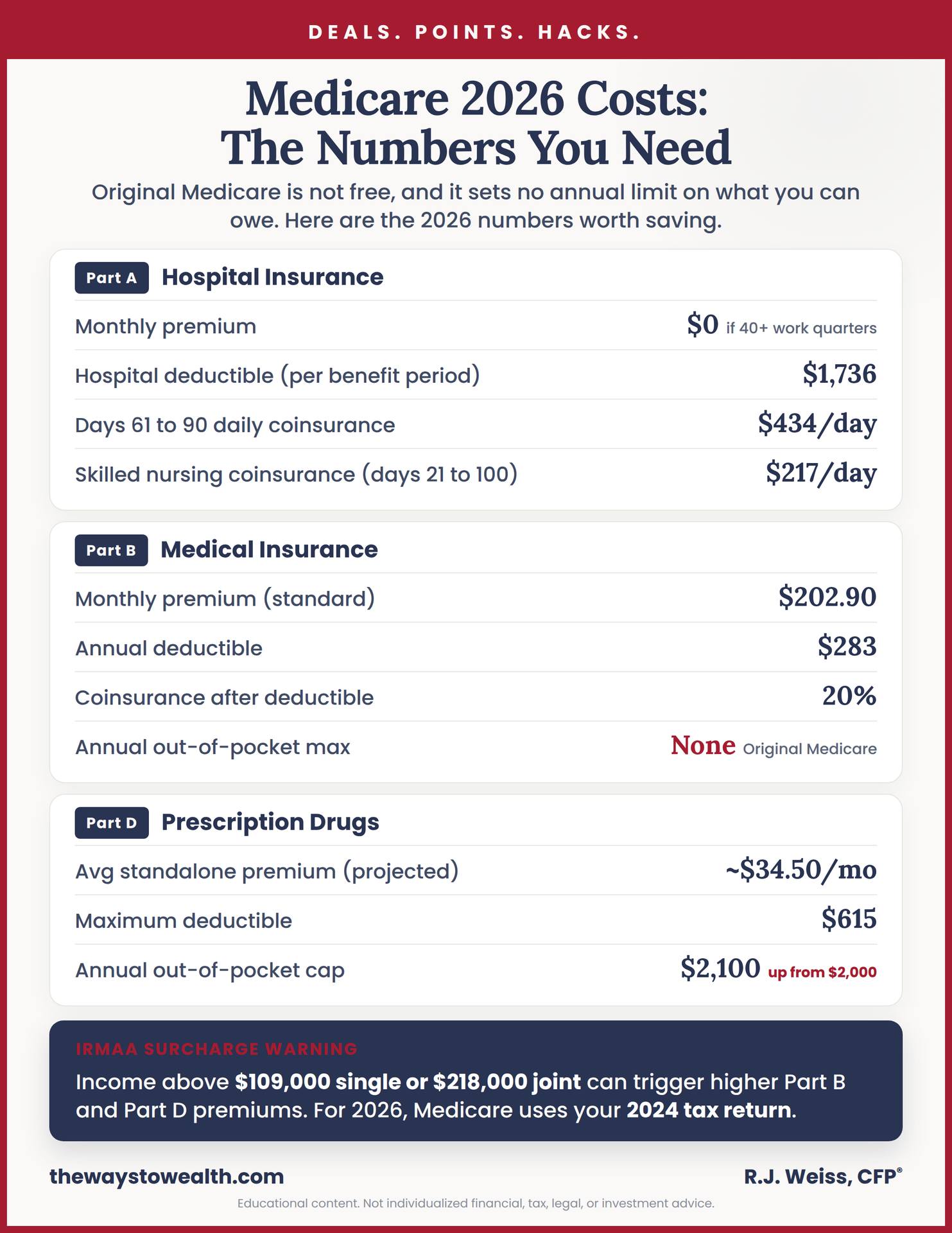
Some Medicare Part D strategies have a lower deductible but greater premiums, so be sure to discuss your options carefully. After you have actually hit the deductible, you will go into the preliminary coverage duration. Initial protection duration: Once you strike this phase, you will pay 25% of your prescription drug expenses (normally as your copay or premium), approximately $2,000 in 2025.
Once you have actually hit this limitation, you'll go into the disastrous protection duration. Catastrophic coverage: After you've hit the $2,000 OOPM, you are not responsible for any other covered prescription drug expenses for the rest of the strategy year. Ask your care group about your medicines and cross-reference them with Medicare Part D formularies to better comprehend what your out-of-pocket health care expenses might be if you have prescriptions.
Term Life Insurance Cost Factors for 2026
Medicare credentials guidelines are as follows:2 You must be at least 65; or, You must have a qualifying disability or particular health issue like Amyotrophic Lateral Sclerosis (ALS) or end-stage kidney disease (ESRD) to qualify before you turn 65 years of ages. As soon as you've determined that you qualify for Medicare and you're registered for either the Original Medicare or Medicare Advantage plan, you can comprehend your ability to sign up for a Medicare Part D plan.
Those who are registered in a Medicare Advantage Plan that has drug coverage (called an MA-PD) are already covered under Part D. Generally, you'll sign up for Medicare Part D when you register for Medicare. There are a few different timeframes you ought to bear in mind if you're considering registering for a Medicare Part D plan:3 The Medicare IEP is the seven-month period that starts 3 months before you turn 65, your birthday month, and the three months after that.
You can enlist in Medicare annually between Oct. 15 and Dec. 7 for protection for the following year. Throughout the yearly open duration, you can sign up with a Medicare Part D strategy, switch plans, or drop your current protection. Modifications you make will work Jan. 1 of the following year.

Latest Posts
Understanding EPO Networks for Better Regional Healthcare Access
Indexed Universal Life Benefits for Security

The Financial Benefits of Whole Life Insurance in 2026